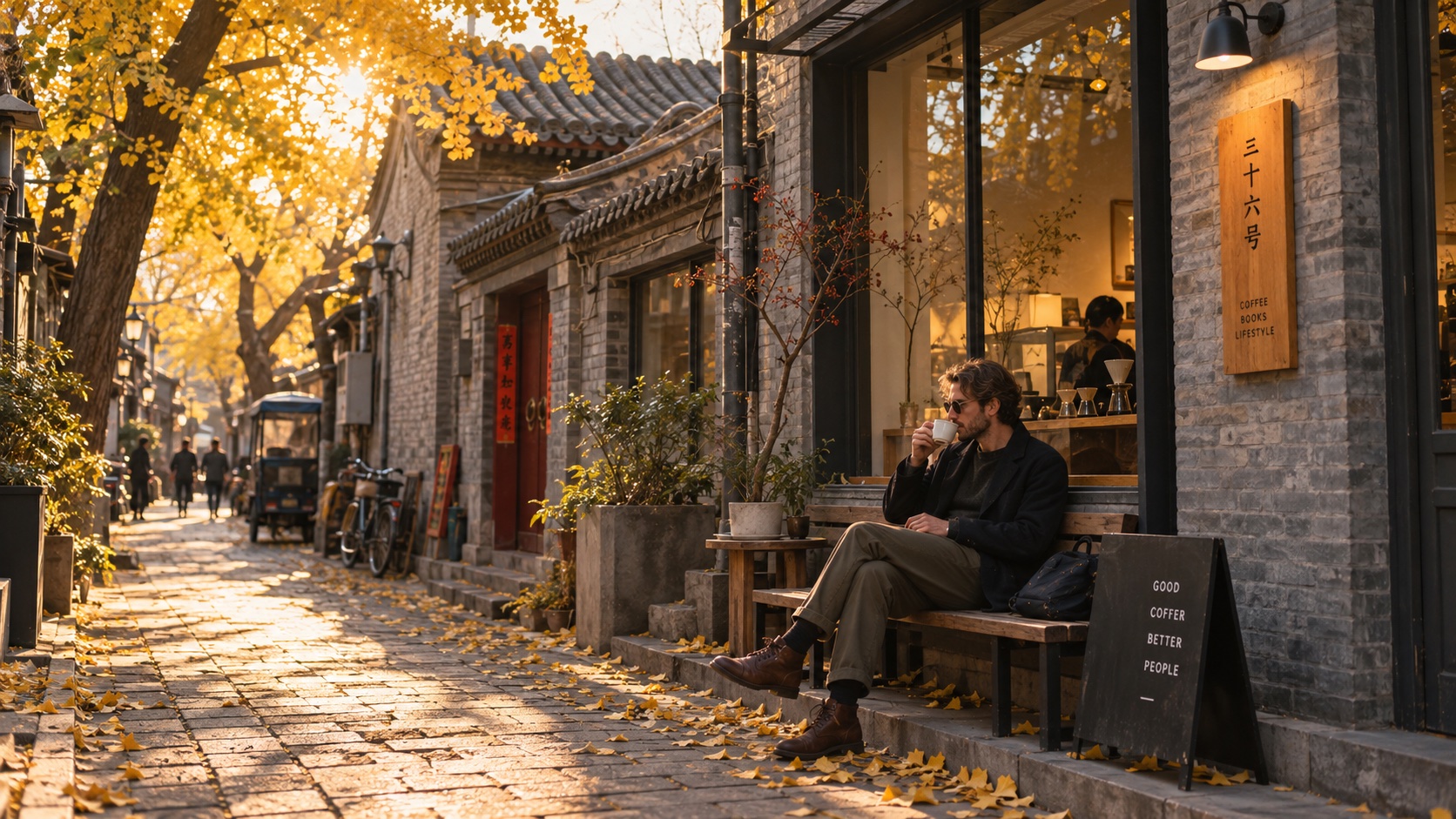
Mainland China offers digital nomads an infrastructure landscape that few countries can match: ubiquitous 5G coverage, unthrottled gigabit fiber in major urban centers, high-speed rail linking distant provinces in hours, and total monthly living expenses ranging from $650 to $2,700 USD. Yet selecting the right home base is critical. China is geographically and culturally diverse; working from a high-rise in Shanghai presents an entirely different daily reality than living in a mountain courtyard in Dali or an artisan pottery studio in Jingdezhen.
This guide provides a comprehensive, field-verified comparison of the best cities in China for digital nomads—evaluating Shanghai, Beijing, Hangzhou, Chengdu, Dali, and Jingdezhen. All budget figures reflect October 2026 verified market rates, distinguishing official administrative policies from ground-level community data.
TL;DR: Key Takeaways by Nomad Persona
- Shanghai (上海): Best for first-timers, finance/tech professionals, and non-Mandarin speakers. Highest living cost ($1,800–$2,700/mo), world-class coffee culture, and easiest bilingual navigation.
- Chengdu (成都): Best overall value for urban amenities. Exceptional culinary scene, relaxed lifestyle (baxian), and modern coworking at $1,050–$1,450/mo.
- Dali (大理): Best for slow living, nature, and community. High-altitude mountain air, Erhai Lake cycling, and vibrant coliving for $750–$1,200/mo.
- Hangzhou (杭州): Best for e-commerce and tech entrepreneurs. Seamless digital infrastructure, Alibaba ecosystem, and scenic tea hills at $1,250–$1,800/mo.
- Beijing (北京): Best for tech founders, researchers, and cultural immersion. Grand imperial architecture, top-tier AI corridors, and deep intellectual networks at $1,700–$2,600/mo.
- Jingdezhen (景德镇): Best for designers, artists, and makers. Affordable ceramic studios, industrial lofts, and quiet creative flow at $650–$1,050/mo.
Master Comparison Table
The following master table synthesizes core operational metrics across all six nomad hubs. All budgets represent a comfortable, private nomad lifestyle (furnished studio apartment, daily dining out, dedicated desk or regular cafe working, 5G data, and local transit).
| City | Monthly Budget (USD) | WiFi Speed | Coworking | English Level | Vibe | Best For |
|---|---|---|---|---|---|---|
| Shanghai (上海) | $1,800 – $2,700 | 200 – 300 Mbps | 5 / 5 (Ubiquitous) | Moderate – High | Cosmopolitan, electric, international | First-timers, finance, tech, networking |
| Beijing (北京) | $1,700 – $2,600 | 180 – 250 Mbps | 4 / 5 (Extensive) | Moderate | Intellectual, historic, monumental | Tech founders, researchers, cultural immersion |
| Hangzhou (杭州) | $1,250 – $1,800 | 180 – 260 Mbps | 4 / 5 (Modern hubs) | Low – Moderate | Digital-first, lush, e-commerce | E-commerce, tech nomads, nature lovers |
| Chengdu (成都) | $1,050 – $1,450 | 140 – 200 Mbps | 4 / 5 (Rapidly expanding) | Low – Moderate | Relaxed, culinary, hipster | Best overall value, foodies, software developers |
| Dali (大理) | $750 – $1,200 | 90 – 140 Mbps | 3.5 / 5 (Coliving-centric) | Low | Bohemian, alpine, communal | Slow living, community coliving, trail runners |
| Jingdezhen (景德镇) | $650 – $1,050 | 80 – 120 Mbps | 2.5 / 5 (Studio-centric) | Minimal | Artisanal, tranquil, industrial chic | Industrial designers, ceramicists, makers |
Source and Methodology Note: Monthly budget estimates reflect October 2026 aggregated data from local rental platforms (Ziroom, Anjuke), shared workspace operators (WeWork China, local incubators), consumer price indices, and verified expenditure logs from international digital nomads living 1 to 6 months in China. Currency conversions benchmarked at 1 USD = 7.25 RMB.
1. Shanghai (上海): The Cosmopolitan Megacity
Shanghai is the commercial and financial engine of mainland China, making it the most seamless entry point for international remote workers. With bilingual signage across its massive 20-line transit system, international grocery stores, and thousands of Western-friendly venues, Shanghai minimizes the initial friction of relocating to East Asia.
+-----------------------------------------------------------------------+
| SHANGHAI SNAPSHOT                                                     |
| Population: 25M | Province: Direct-administered | Metro Lines: 20    |
| Nomad Sweet Spot: Former French Concession (Xuhui, Jing'an)           |
+-----------------------------------------------------------------------+
Who It Is For
Shanghai is ideal for first-time nomads in China, fintech consultants, corporate remote workers, agency founders, and creatives who thrive on electric megacity energy. If your daily productivity requires walkability, artisan flat whites, international networking events, and vibrant nightlife, Shanghai is unmatched.
Monthly Cost Breakdown (Shanghai)
While 30% to 50% cheaper than New York, London, or Singapore, Shanghai remains China’s priciest digital nomad destination.
| Expense Category | Cost Range (RMB) | Cost Range (USD) | Details & Source Notes |
|---|---|---|---|
| Private Furnished Studio / 1-Bed | ¥6,000 – ¥9,500 | $825 – $1,310 | Serviced studio in Jing’an or lane house in Xuhui (Ziroom / Lianjia, 2026) |
| Dedicated Coworking Desk | ¥1,400 – ¥2,200 | $195 – $310 | WeWork China or premium local hubs with 24/7 access |
| Daily Food & Dining | ¥2,400 – ¥4,500 | $340 – $635 | ¥80–¥150/day; mix of xiaolongbao stalls, bakeries, and international dining |
| Local Transportation | ¥180 – ¥350 | $25 – $50 | Shanghai Metro pass, shared Meituan bikes, and occasional Didi rides |
| 5G SIM & Home Utilities | ¥220 – ¥380 | $31 – $54 | China Unicom 80GB 5G plan + electricity, water, and building maintenance |
| Estimated Total Monthly Budget | ¥10,200 – ¥16,930 | $1,436 – $2,389 | Baseline comfortable living; nightlife pushes budgets to $2,700 |
Work Environment and Connectivity
Shanghai boasts more than 8,500 specialty coffee shops—the highest concentration of any city in the world. In the Former French Concession (Xuhui and Huangpu districts), plane trees shade laptop-friendly cafes equipped with unthrottled gigabit connections and convenient power outlets.
- Flagship Coworking: WeWork Yan’an East Road (a converted heritage warehouse) and WeWork Jing’an Kerry Centre provide bilingual community managers, soundproof phone booths, and direct access to international founders.
- Laptop Cafes: Manner Coffee flagships, Metal Hands (Nanchang Road), and Baker & Spice offer fast public WiFi and productive patio environments.
- Speed Benchmarks: Commercial fiber backbones consistently test at 200–300 Mbps download and 80 Mbps upload.
Social Scene and Community
Shanghai hosts the largest expat and multilingual returnee community in China. Regular tech meetups, design hackathons, English comedy clubs, and international chamber events ensure you can build a professional network within days of landing.
Climate and Seasonal Factors
Shanghai has a humid subtropical climate with four distinct seasons. Autumn (October–November) is the best working season: crisp, sunny, and around 18°C–22°C (64°F–72°F). Summers (July–August) bring intense heat (exceeding 38°C/100°F) and the rainy “plum rain” season (meiyu). Winters are damp and chilly (2°C–8°C), requiring reverse-cycle air conditioner heating since municipal central heating is absent south of the Huai River.
Pros and Cons
- Pros:
- Easiest landing city for nomads with zero Mandarin ability.
- World’s best cafe density paired with a 20-line subway system.
- Abundant international food, craft beer taprooms, and bilingual medical clinics.
- Cons:
- Highest rental and dining costs in mainland China.
- High competition for cafe seating during weekend peak hours.
- Fast-paced commercial environment lacks the quiet pace of inland hubs.
2. Beijing (北京): The Intellectual & Political Heartland
Beijing is China’s political, cultural, and educational core. It presents an awe-inspiring juxtaposition of ancient imperial monuments—the Forbidden City, Temple of Heaven, and historic hutong alleyways—alongside the country’s most formidable deep-tech corridors in Zhongguancun (中关村) and Haidian (海淀).
+-----------------------------------------------------------------------+
| BEIJING SNAPSHOT                                                      |
| Population: 22M | Province: Direct-administered | Metro Lines: 27    |
| Nomad Sweet Spot: Chaoyang (Sanlitun / Wangjing) or Dongcheng Hutongs |
+-----------------------------------------------------------------------+
Who It Is For
Beijing is best suited for tech founders, AI researchers, policy analysts, authors, and nomads seeking deep cultural immersion. If you find inspiration in monumental historical sites, access to top university graduates, and serious policy and business discussions, Beijing delivers unmatched intellectual depth.
Monthly Cost Breakdown (Beijing)
Beijing’s living costs run parallel to Shanghai’s, with residential rentals in central Chaoyang commanding premium rates.
| Expense Category | Cost Range (RMB) | Cost Range (USD) | Details & Source Notes |
|---|---|---|---|
| Private Furnished Studio / 1-Bed | ¥5,500 – ¥9,000 | $760 – $1,240 | Modern studio in Chaoyang (Wangjing/Sanlitun) or hutong flat (Lianjia, 2026) |
| Dedicated Coworking Desk | ¥1,300 – ¥2,000 | $180 – $280 | WeWork Chaoyang, DayDayUp, or local tech incubators |
| Daily Food & Dining | ¥2,100 – ¥4,200 | $295 – $590 | ¥70–¥140/day; Peking duck, hand-pulled noodles, dumplings, and international fare |
| Local Transportation | ¥180 – ¥350 | $25 – $50 | Extensive 27-line subway network and Didi rides across ring roads |
| 5G SIM & Home Utilities | ¥220 – ¥360 | $31 – $51 | Municipal central heating included in winter rent; standard power/water/fiber |
| Estimated Total Monthly Budget | ¥9,300 – ¥15,910 | $1,301 – $2,241 | Average comfortable nomad lifestyle sits at $1,700 – $2,600 USD |
Work Environment and Connectivity
Beijing is structured around wide concentric ring roads. Chaoyang houses multinational embassies and corporate coworking complexes, while Haidian in the northwest gathers software engineers from Tsinghua and Peking universities.
- Flagship Coworking: WeWork Wangjing (situated in Beijing’s unicorn corridor), DayDayUp (Sanlitun), and TechTemple (Dongcheng).
- Work Cafes: Soloist Coffee Co. (Dashilar), Metal Hands (Gulou hutongs), and roasters throughout the 798 Art Zone.
- Connectivity: Commercial broadband averages 180–250 Mbps. International connection latency can occasionally spike during high-level governmental meetings.
Social Scene and Community
Beijing’s expat scene is anchored by diplomats, foreign correspondents, researchers, and tech entrepreneurs. While more dispersed than Shanghai’s, the social circle is intellectually stimulating, centered around Sanlitun embassies, Liangmaqiao bistros, and Gulou hutong live-music bars.
Climate and Seasonal Factors
Beijing features a continental monsoon climate. Spring can bring dry winds and occasional dust storms from the Gobi Desert. Autumn (September–November) is the celebrated golden season, with crisp air, blue skies, and comfortable 18°C temperatures. Winters are dry, windy, and freezing (often dipping to -10°C / 14°F); however, all buildings enjoy government-subsidized radiator heating (nuanqi) from November 15 to March 15, keeping indoor workspaces thoroughly warm.
Pros and Cons
- Pros:
- Immense cultural depth with centuries of imperial architecture and historic hutongs.
- Direct access to China’s foremost hardware, software, and AI engineering hubs.
- Standardized municipal indoor heating guarantees comfortable winter workspaces.
- Cons:
- Harsh, dry, and freezing winter weather.
- Sprawling city footprint requires longer subway commutes between districts.
- Heightened security screenings at central subway stations and landmark zones.
3. Hangzhou (杭州): Where High-Tech Meets Classical Poetry
Located 45 minutes south of Shanghai by high-speed rail, Hangzhou represents the commercial heart of Chinese e-commerce and digital finance. Headquarters to tech giants Alibaba, Ant Group, and NetEase, Hangzhou is among the most cashless, digitally integrated cities on Earth. Yet directly adjacent to this digital powerhouse lies West Lake (西湖)—a UNESCO World Heritage site surrounded by forested hills and ancient Longjing (龙井) green tea plantations.
+-----------------------------------------------------------------------+
| HANGZHOU SNAPSHOT                                                     |
| Population: 12.5M | Province: Zhejiang | Bullet Train to Shanghai: 45m|
| Nomad Sweet Spot: Binjiang (Tech) or West Lake / Manjuelong (Nature)  |
+-----------------------------------------------------------------------+
Who It Is For
Hangzhou is the premier destination for e-commerce entrepreneurs, cross-border digital marketers, supply chain consultants, and remote workers who want big-city tech infrastructure without sacrificing natural scenery. If you enjoy coding from an open-air teahouse in the morning and collaborating with hardware engineers in the afternoon, Hangzhou provides that balance.
Monthly Cost Breakdown (Hangzhou)
Hangzhou offers Tier-1 tech convenience at Tier-2 living costs—averaging 25% to 35% less than Shanghai.
| Expense Category | Cost Range (RMB) | Cost Range (USD) | Details & Source Notes |
|---|---|---|---|
| Private Furnished Studio / 1-Bed | ¥3,500 – ¥5,500 | $480 – $760 | Modern apartment in Binjiang or near West Lake (Ziroom / Anjuke, 2026) |
| Dedicated Coworking Desk | ¥1,000 – ¥1,600 | $140 – $225 | WeWork Binjiang, InnoSpace, or Dream Town incubator desk |
| Daily Food & Dining | ¥1,500 – ¥3,600 | $210 – $505 | ¥50–¥120/day; local noodle dishes (pian’er chuan), dim sum, and modern cafes |
| Local Transportation | ¥120 – ¥240 | $17 – $34 | Expanding Hangzhou Metro network + dockless shared bikes |
| 5G SIM & Home Utilities | ¥180 – ¥300 | $25 – $42 | High-speed fiber connection + monthly power/water utilities |
| Estimated Total Monthly Budget | ¥6,300 – ¥11,240 | $882 – $1,581 | Total comfortable nomad budget sits at $1,250 – $1,800 USD |
Work Environment and Connectivity
As the birthplace of Alipay (支付宝), Hangzhou is China’s most cashless city. Even lakeside snack kiosks and roadside fruit stands run seamlessly via dynamic QR codes.
- Flagship Coworking: WeWork Binjiang (overlooking the Qiantang River) and Dream Town (梦想小镇 in Cangqian)—a preserved water village converted into an enterprise tech park with free municipal high-speed fiber.
- Scenic Workspaces: The hillside villages of Longjing and Manjuelong (满觉陇) feature multi-story cafes with fast fiber internet, peaceful courtyards, and mountain breezes.
- Connectivity: Commercial download speeds consistently register 180–260 Mbps with minimal latency to Shanghai data centers.
Social Scene and Community
Hangzhou’s population leans young, entrepreneurial, and tech-driven. While its international expat footprint is smaller than Shanghai’s, there is a vibrant community of digital creators, startup founders, and cross-border traders. Conversational English is common among young tech workers in Binjiang and Cangqian.
Climate and Seasonal Factors
Hangzhou experiences a subtropical monsoon climate. Spring (March–May) is breathtaking, marked by blossoming peach trees around West Lake and the annual Longjing green tea harvest. Summers (July–August) are intensely hot, regularly surpassing 40°C (104°F). Winters are damp and cold (3°C–10°C) without municipal heating, making quality air conditioning heaters essential.
Pros and Cons
- Pros:
- Superb harmony of lush nature (West Lake, tea hills) and Tier-1 digital commerce.
- Rapid 45-minute bullet train connectivity to Shanghai for weekend events.
- Housing costs roughly a third cheaper than Shanghai or Beijing.
- Cons:
- Sweltering, humid summers during July and August.
- Heavy tourist congestion around West Lake during domestic national holidays.
- Outer technology districts like Future Sci-Tech City can feel sprawling.
4. Chengdu (成都): The Culinary & Lifestyle Capital
Chengdu, capital of Sichuan province, is renowned as China’s most relaxed and livable major metropolis. While coastal business hubs grind under workplace stress (neijuan 内卷), Chengdu lives by an unwritten philosophy of leisurely enjoyment (baxian 罢闲). Remote workers here enjoy premier urban infrastructure, a booming tech ecosystem, and world-famous cuisine at nearly half the cost of coastal Tier-1 cities.
+-----------------------------------------------------------------------+
| CHENGDU SNAPSHOT                                                      |
| Population: 21M | Province: Sichuan | Metro Network: Top 4 Globally   |
| Nomad Sweet Spot: Yulin (玉林) or Wangping Street (望平街)            |
+-----------------------------------------------------------------------+
Who It Is For
Chengdu delivers the strongest quality-to-cost ratio in China for location-independent workers. It is an exceptional match for software engineers, digital creators, writers, and foodies who want top-tier transit, craft brewpubs, and an inclusive, relaxed community while keeping monthly spending under $1,450.
Monthly Cost Breakdown (Chengdu)
Chengdu provides remarkable purchasing power for international nomads.
| Expense Category | Cost Range (RMB) | Cost Range (USD) | Details & Source Notes |
|---|---|---|---|
| Private Furnished Studio / 1-Bed | ¥2,800 – ¥4,200 | $385 – $580 | Clean 1-bed in walkable Yulin or Kehua North Rd (Ziroom / Anjuke, 2026) |
| Dedicated Coworking Desk | ¥900 – ¥1,400 | $125 – $195 | WeWork Pinnacle One or Waldner Coworking in Tianfu Software Park |
| Daily Food & Dining | ¥1,350 – ¥2,850 | $190 – $400 | ¥45–¥95/day; dandan noodles, Sichuan hot pot, mapo tofu, fresh stir-fries |
| Local Transportation | ¥100 – ¥180 | $14 – $25 | Chengdu Metro network (4th largest on Earth) via Alipay QR transit |
| 5G SIM & Home Utilities | ¥160 – ¥250 | $22 – $35 | China Telecom 5G unlimited plan + monthly water/power utilities |
| Estimated Total Monthly Budget | ¥5,310 – ¥8,880 | $746 – $1,245 | Realistic total nomad monthly budget sits at $1,050 – $1,450 USD |
Work Environment and Connectivity
Chengdu balances hyper-modern business parks with relaxed neighborhood cafes. Tianfu Software Park (housing Tencent, Ubisoft, and local AI studios) provides corporate coworking, while central neighborhoods offer creative work spots.
- Flagship Coworking: Waldner Coworking (Tianfu Hi-Tech Zone) features English-speaking staff and optimized overseas lines; WeWork Pinnacle One (Dongda Road) provides sweeping city views.
- Laptop Cafes: Wheat & Tea Roastery (Yulin), Regular Source, and riverside cafes along Wangping Street facing the Jinjiang River.
- Teahouse Workspots: People’s Park (人民公园) offers open-air bamboo tables where a ¥25 ($3.50) bowl of jasmine tea includes unlimited thermos refills—ideal for quiet writing sprints.
- Speed Benchmarks: Fiber speeds average 140–200 Mbps download.
Social Scene and Community
Chengdu is widely regarded as China’s most tolerant, progressive, and welcoming city. The local indie music scene, craft breweries (Wild West Brewing, Bionic Brewery), and relaxed teahouse culture make it effortless to meet locals and domestic nomads.
Climate and Seasonal Factors
Located in the sheltered Sichuan Basin, Chengdu experiences mild, damp winters (rarely dropping below 4°C / 39°F) and warm, humid summers (30°C–34°C). The city averages fewer than 100 sunny days annually due to basin mist and cloud cover. Spring (April–May) and autumn (September–November) are the most comfortable seasons.
Pros and Cons
- Pros:
- Highest quality of life per dollar of any major metropolis in China.
- UNESCO City of Gastronomy with world-famous street food.
- Exceptionally friendly, open-minded, and creative local population.
- Cons:
- Frequent cloudy and overcast skies throughout winter months.
- Intense numbing spice (mala) can require adjustment for some diets.
- Lower general English proficiency than Shanghai or Beijing.
5. Dali (大理): The Mountain & Lakeside Coliving Capital
Perched at 2,000 meters (6,560 feet) in southwest Yunnan province, Dali sits between the dramatic 4,000-meter peaks of the Cangshan Mountains (苍山) and the waters of Erhai Lake (洱海). Over recent years, Dali has become China’s undisputed capital for slow living, creative retreats, and community coliving.
+-----------------------------------------------------------------------+
| DALI SNAPSHOT                                                         |
| Population: 650K | Province: Yunnan | Elevation: 2,000m (6,560 ft)    |
| Nomad Sweet Spot: Dali Ancient Town (大理古城), Caicun (才村), Yinqiao|
+-----------------------------------------------------------------------+
Who It Is For
Dali is tailored for remote workers craving outdoor trails, yoga, clean mountain air, and collaborative communal living. If you prioritize daily hikes, organic farmers markets, communal dinners, and bright alpine sunshine over luxury shopping malls, Dali is China’s ultimate sanctuary.
Monthly Cost Breakdown (Dali)
Dali is one of the most budget-friendly nomadic lifestyle destinations in East Asia, rivaling Southeast Asian hubs in value.
| Expense Category | Cost Range (RMB) | Cost Range (USD) | Details & Source Notes |
|---|---|---|---|
| Coliving Room / Courtyard Studio | ¥1,800 – ¥3,400 | $250 – $470 | En-suite room in design coliving or Bai courtyard (Nomad listings, 2026) |
| Dedicated Coworking Desk | ¥500 – ¥900 | $70 – $125 | Often bundled into coliving membership; independent passes available |
| Daily Food & Dining | ¥1,050 – ¥2,250 | $150 – $315 | ¥35–¥75/day; organic highland greens, wild mushrooms, Bai cheese (rubing) |
| Local Transportation | ¥80 – ¥180 | $11 – $25 | Shared electric scooter rentals (xiaodianche), local buses, and walking |
| 5G SIM & Home Utilities | ¥120 – ¥200 | $17 – $28 | China Telecom 5G plan + shared coliving utilities |
| Estimated Total Monthly Budget | ¥3,550 – ¥6,930 | $498 – $973 | Comfortable all-inclusive nomad budget sits between $750 and $1,200 USD |
Work Environment and Connectivity
Rather than commercial office blocks, Dali’s workspace landscape is centered on communal coliving houses (gongshe 公社) and lakeside cafes.
- Coliving Spaces: Hubs like 706 Dali Youth Space, Daliverse, and converted Bai courtyard communities in Caicun (along the lake) and Yinqiao (among rice fields) provide standing desks, fiber WiFi, communal kitchens, and podcast booths.
- Lakeside Work Cafes: The 120-kilometer Erhai Ecological Corridor features dozens of specialty coffee shops serving Yunnan Baoshan Arabica beans with uninterrupted lake views.
- Connectivity: Most coliving spaces run dedicated China Telecom fiber lines (90–140 Mbps). Mountain thunderstorms in July and August can cause occasional brief power drops, making a 5G mobile hotspot essential as a backup.
Social Scene and Community
Dali has drawn thousands of domestic tech workers, UX designers, web3 developers, and artists escaping big-city corporate life. Community potlucks, sunset runs along the lake, open mic nights, and weekend craft markets form the core social fabric. The community operates primarily in Mandarin, so using translation apps is helpful for non-speakers.
Climate and Seasonal Factors
Dali enjoys year-round “Eternal Spring” with over 300 days of blue skies and crisp mountain air. Daytime temperatures stay between 15°C and 25°C (59°F–77°F). Winters are dry, sunny, and mild during the day, though nights drop to 4°C (39°F). Late summer (July–August) brings the rainy season and an abundance of fresh wild mushrooms.
Pros and Cons
- Pros:
- Very affordable monthly costs ($750–$1,200 covers a high-end nomad lifestyle).
- Magnificent alpine scenery, clean lake, and pristine air quality.
- Tight-knit, collaborative nomad community with weekly gatherings.
- Cons:
- No metro system; getting around requires e-scooters, bicycles, or walking.
- Less international diversity; Mandarin is the primary language of community events.
- Occasional storm-related electrical or internet interruptions in rural villages.
6. Jingdezhen (景德镇): The Artisanal Maker & Design Enclave
Located in northeast Jiangxi province, Jingdezhen has been the global epicenter of porcelain production for over 1,700 years. Recently, this heritage industrial center has transformed into China’s most creative retreat for ceramicists, industrial designers, illustrators, and craft-focused digital nomads—locally termed “Jingdrifters” (Jingpiao 景漂).
+-----------------------------------------------------------------------+
| JINGDEZHEN SNAPSHOT                                                   |
| Population: 1.6M | Province: Jiangxi | High-Speed Rail: 3.5h to SH    |
| Nomad Sweet Spot: Taoxichuan (陶溪川) or Sanbao Art Valley (三宝蓬)   |
+-----------------------------------------------------------------------+
Who It Is For
Jingdezhen is ideal for industrial designers, 3D artists, illustrators, physical makers, writers, and nomads who want an artistic retreat free from corporate distraction. If your routine balances digital laptop work with physical crafting, ceramic sculpting, or kiln firing, Jingdezhen offers a rare, focused creative atmosphere.
Monthly Cost Breakdown (Jingdezhen)
Jingdezhen is the most affordable nomad destination evaluated in this guide.
| Expense Category | Cost Range (RMB) | Cost Range (USD) | Details & Source Notes |
|---|---|---|---|
| Private Studio / Artist Loft | ¥1,400 – ¥2,600 | $195 – $360 | Renovated brick studio near Taoxichuan or Sanbao (Local listings, 2026) |
| Coworking / Studio Access | ¥450 – ¥850 | $63 – $120 | Taoxichuan Maker Space or shared community ceramic studio desk |
| Daily Food & Dining | ¥900 – ¥1,950 | $125 – $275 | ¥30–¥65/day; Jiangxi spicy rice noodles, clay pot dishes, farm-to-table food |
| Local Transportation | ¥60 – ¥150 | $8 – $21 | Electric moped rental and local city buses |
| 5G SIM & Home Utilities | ¥120 – ¥180 | $17 – $25 | Standard broadband fiber + monthly power/water bills |
| Estimated Total Monthly Budget | ¥2,930 – ¥5,730 | $408 – $806 | Total comfortable nomad budget ranges from $650 to $1,050 USD |
Work Environment and Connectivity
The center of creative life in Jingdezhen is the Taoxichuan Cultural and Creative District (陶溪川), an expansive industrial redevelopment of 22 heritage porcelain factories. Historic brick kilns and sawtooth factories have been revitalized into studios, art galleries, and espresso bars.
- Workspace Hubs: Taoxichuan Maker Space (陶溪川邑空间) provides shared desks, 3D printers, and unthrottled broadband. South of town, Sanbao Art Valley (三宝国际陶艺村) features quiet cafes beside bamboo groves and mountain streams.
- Connectivity: Fiber connections in redeveloped zones deliver 80–120 Mbps—reliable for video conferencing and software workflows.
Social Scene and Community
Jingdezhen’s community brings together sculptors, designers, and art students from across China, alongside international artists-in-residence. Every Friday and Saturday evening, the Taoxichuan Night Market gathers hundreds of independent makers exhibiting handcrafted ceramics and artwork. While English proficiency is limited, the community is exceptionally welcoming and collaborative.
Climate and Seasonal Factors
Jingdezhen has a humid subtropical climate. Spring and autumn are temperate and scenic. Summers (July–August) are hot and humid, frequently reaching 36°C (97°F). Winters are damp and chilly (4°C–10°C) without municipal heating, making reverse-cycle AC or electric heaters necessary.
Pros and Cons
- Pros:
- Most affordable monthly living costs ($650–$1,050/mo covers housing and studio space).
- Direct access to world-class ceramic workshops, master artisans, and kilns.
- Beautiful architectural heritage blending industrial red brick with modern lofts.
- Cons:
- Little English spoken; translation apps are essential for daily life.
- No subway system; local transit depends on electric mopeds or taxis.
- Few corporate-style shared workspaces; environment is focused on studios and cafes.
Practical Infrastructure & Logistics Deep Dive
Relocating across mainland China requires managing four key administrative and technological systems.
+-------------------------------------------------------------------------------+
| ESSENTIAL NOMAD TOOLKIT (OCTOBER 2026 FIELD-VERIFIED)                               |
| • Payments: Alipay (支付宝) & WeChat Pay (微信支付) with foreign cards        |
| • Navigation: Amap / Gaode Maps (高德地图)                                    |
| • Train Travel: China Railway 12306 app (official English portal)            |
| • Translation: Apple / DeepL / Baidu Translate                                |
+-------------------------------------------------------------------------------+
1. Internet Access, VPNs, and SIM Cards
All domestic Chinese networks are subject to regulatory filtering (the Great Firewall), which restricts access to Google services, Slack, Notion, GitHub (sporadically), and international news portals.
- Travel eSIMs (Best for Stays Under 90 Days): International travel eSIMs (such as Airalo, Nomad, or Holafly) route cellular data through roaming servers in Hong Kong, Singapore, or Europe. This bypasses domestic filtering automatically without requiring local VPN software.
- Local Physical SIM Cards (China Mobile / Unicom / Telecom): For stays exceeding 30 days, getting a local SIM card with a Chinese phone number (+86) is essential. Local numbers are needed to connect to public WiFi in cafes and airports, register for food delivery apps (Meituan), and use bike-sharing mini-programs. A 5G package with 60GB–100GB costs ¥100–¥180 ($14–$25 USD) per month.
- Residential & Coworking Fiber: Standard WiFi connections require appropriate commercial VPN or proxy protocols configured on your laptop prior to entering China.
2. Accommodation & Police Registration (境外人员临时住宿登记)
Chinese immigration law requires all foreign passport holders to register their address with the local Public Security Bureau (PSB / 派出所) within 24 hours of arrival.
- Hotels and Serviced Apartments: When checking into a licensed hotel or serviced apartment, the front desk registers your passport automatically with the immigration database. Ensure the listing accepts international guests (waibin 外宾).
- Short-Term Rentals & Airbnbs: When renting a private apartment or homestay (minsu 民宿), you must verify the landlord will provide their property deed and ID. You then register via the municipal police online mini-program (available in Shanghai and Beijing) or visit the local neighborhood police station in person within 24 hours.
- Medium-Term Leases (Ziroom 自如): For stays of 1 to 6 months, platforms like Ziroom offer move-in-ready furnished apartments with monthly billing, professional cleaning, and standardized lease contracts that simplify police registration.
3. Cashless Payments: Alipay & WeChat Pay
Mainland China operates almost exclusively on cashless digital payments. Physical cash is rarely used, and foreign cards cannot be swiped at standard retail terminals.
- Setup Process: Download Alipay and WeChat before departure. Both platforms allow foreign travelers to link international credit cards (Visa, Mastercard, Discover, JCB) using your international phone number and passport verification.
- Fee Structure (October 2026 Terms): Per official Alipay and Tencent payment policies as of October 2026, transactions under ¥200 RMB (~$28 USD) incur zero processing fees. Single payments over ¥200 RMB incur a 3% fee. You can avoid this fee by splitting larger grocery or dining bills into transactions under ¥200 RMB.
4. Intercity Transit: High-Speed Rail (CRH)
China’s high-speed rail network spans over 45,000 kilometers. Bullet trains (Fuxing Hao and Hexie Hao) travel at 250–350 km/h, offering power outlets at every seat, stable 5G mobile coverage, and exceptional punctuality.
- Shanghai to Hangzhou: 45 to 60 minutes (¥50–¥75 / ~$7–$10 USD).
- Beijing to Shanghai: 4 hours 28 minutes on express Fuxing bullet trains (¥550–¥650 / ~$77–$91 USD).
- Chengdu to Chongqing: 1 hour 15 minutes (¥154 / ~$22 USD).
- Shanghai to Jingdezhen: 3 hours 30 minutes (¥260 / ~$36 USD).
- Kunming to Dali: 2 hours (¥145 / ~$20 USD).
Tickets can be booked directly through the official Railway 12306 app (featuring an English interface), using your passport number as a paperless e-ticket at automated station gates.
Frequently Asked Questions (FAQ)
Can I legally work remotely in China on a tourist (L) visa or visa-free entry?
Under Chinese immigration regulations enforced by the National Immigration Administration (NIA), working for a registered Chinese domestic business without an Alien Work Permit and Z-visa/Residence Permit is strictly illegal.
However, performing location-independent remote work for foreign clients or overseas employers while in China on a tourist (L) visa, business (M) visa, or 144-hour visa-free transit entry exists in a globally common regulatory gray area. As long as you do not solicit local Chinese clients, receive payment in RMB from domestic entities, or sign local employment contracts, remote workers regularly maintain foreign employment without issue. Always consult licensed immigration legal counsel for formal advice.
What is the absolute minimum monthly budget required to live comfortably as a nomad in China?
In smaller hubs like Jingdezhen or Dali, a frugal nomad can live comfortably on $700 to $950 USD (¥5,000 to ¥6,800 RMB) per month. This covers a private furnished bedroom or studio, three daily meals at local restaurants, 5G data, and regular leisure. In Tier-1 cities like Shanghai or Beijing, the realistic minimum monthly baseline is $1,700 to $2,000 USD due to higher housing rental rates.
Which Chinese city is easiest for someone who does not speak any Mandarin?
Shanghai is the most accessible city in mainland China for non-Mandarin speakers. English signage is universal across the metro network and major roads. Western-style cafes, clinics, and restaurants routinely have English-speaking staff, and international communities are widespread. In contrast, smaller centers like Jingdezhen and Dali require daily reliance on translation apps (such as Apple Translate, DeepL, or Baidu Translate).
How do digital nomads reliably access Google Workspace, Slack, and GitHub in China?
To maintain seamless access to overseas tools, nomads use a multi-layered connectivity strategy:
- An international roaming travel eSIM (such as Airalo, Nomad, or Google Fi) on a smartphone, which bypasses domestic network filtering automatically.
- A reliable commercial VPN or Shadowsocks proxy installed and verified on laptops prior to arriving in China.
- Commercial coworking spaces (such as WeWork China flagships), which frequently offer low-latency international routing.
How easy is it to find month-to-month furnished apartments in China as a foreigner?
Finding short-term housing (1 to 3 months) is straightforward with the right tools:
- In Shanghai, Beijing, and Hangzhou, serviced apartment operators and rental management platforms like Ziroom (自如) provide furnished studios with monthly billing and English customer support.
- In Dali, nomads typically book a few nights at a guesthouse, then negotiate directly with coliving managers or courtyard owners for monthly rates (often 30% to 50% below daily rates).
- Confirm upfront that your host is authorized to host foreign nationals (waibin) so your police registration proceeds smoothly.
How do I handle public transportation and subway fares without a local Chinese bank account?
You do not need a Chinese bank account or physical transport card to ride public transit in China. In the Alipay app, open the “Transport” tab (出行), select your current city, and activate the municipal “Metro QR Code” or “Bus QR Code.” The app links to your linked foreign credit card (Visa or Mastercard). Scan the QR code at subway turnstiles or bus readers upon boarding and exiting; fares ($0.40 to $1.20 USD) are billed directly to your overseas card.
Final Verdict: Which City Should You Choose?
Mainland China offers a remarkably diverse spectrum of environments for location-independent professionals:
- If you have never been to mainland China and want minimal cultural friction paired with world-class cafes and networking, start in Shanghai.
- If you are seeking deep-tech networking, high-level business connections, and rich imperial history, choose Beijing.
- If your work centers on e-commerce, digital products, and you enjoy combining tech parks with lush tea hills, base yourself in Hangzhou.
- If you want the ultimate balance of urban infrastructure, world-renowned cuisine, vibrant cafe life, and low living costs, head to Chengdu.
- If you are experiencing burnout, crave fresh alpine air, and want an inspiring coliving community, settle down in Dali.
- If you are an industrial designer, visual artist, or craft enthusiast wanting quiet studio focus for under $1,050 a month, spend a season in Jingdezhen.
With mobile payment apps (Alipay, WeChat) and a roaming eSIM prepared before landing, you will discover a remote work ecosystem that is remarkably efficient, safe, and inspiring.
Curator of China Nomad Guide. Specializing in bespoke route architecture, bilingual on-the-ground fixer services, and neutral medical/dental tourism logistics. Based between Chengdu, Yunnan, and Shanghai.
Download the China Nomad Arrival Checklist
Don’t get locked out without connectivity or payment at the border. Our free 12-step field guide covers overseas eSIMs before takeoff, foreign card Alipay binding, police accommodation registration, and essential offline backup apps.
Curated by Villanelle (IG: @v.forvillanelle • hello@chinastay.org). Zero spam.